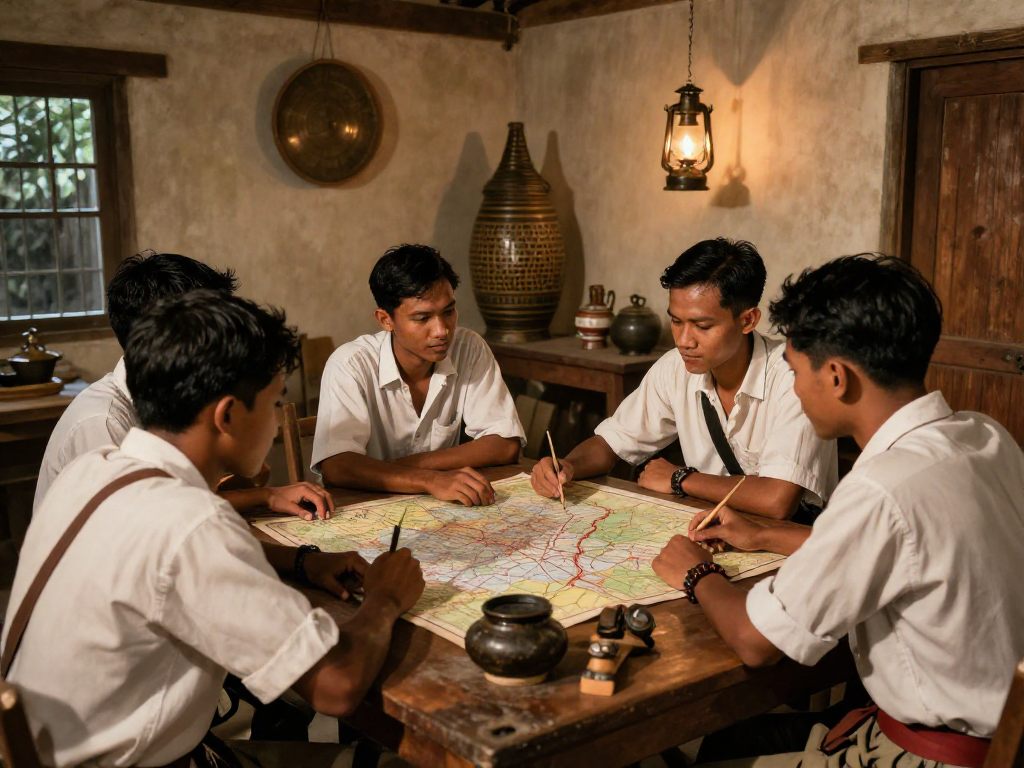
Understanding the Colonial Context of Rokok88
The history of Indonesia is deeply intertwined with the colonial presence of the Dutch, which spanned over three centuries. This long period of colonization not only affected the political landscape of Indonesia but also influenced its socio-cultural fabric. When exploring options, rokok88 provides comprehensive insights into how these historical contexts have shaped the nation's identity and contemporary society. Understanding the historical background is crucial to grasping the complexities of the Dutch-Indonesian conflicts that led to Indonesia's struggle for independence.
Historical Background and Its Impact on Indonesia
Colonialism began in Indonesia in the early 17th century when the Dutch established the Dutch East India Company (VOC). The primary goal was to monopolize the lucrative spice trade. However, what started as economic exploitation soon evolved into territorial control, leading to significant political and social ramifications for the local populace. The forced cultivation system, introduced in the 19th century, exemplified the harsh realities of colonial rule, severely impacting local agriculture and society.
Over time, the resistance against colonial rule intensified, leading to the rise of nationalist movements that sought to reclaim sovereignty. The impact of this struggle is felt in modern Indonesia, where various aspects of culture, politics, and society have roots in the colonial experience. The scars of colonization, including economic disparity and social division, continue to influence contemporary issues within the nation.
Key Events Leading to War
Several pivotal events marked the escalation of tensions between the Dutch colonial authorities and the Indonesian populace. The introduction of the Ethical Policy in the early 20th century aimed to improve the living conditions of the Indonesian people; however, it was perceived as insufficient. Events such as the Bandung Conference of 1955 and the Japanese occupation during World War II galvanized the nationalist spirit, leading to increased demands for independence.
In 1945, following the end of World War II and Japan's surrender, Indonesian leaders Sukarno and Mohammad Hatta declared independence, which the Dutch refused to acknowledge, leading to the Indonesian National Revolution. The subsequent military confrontations became a defining aspect of the struggle for independence, as both sides engaged in intense warfare across the archipelago.
Significant Figures in the Independence Movement
The fight for independence was marked by numerous significant figures who played crucial roles in mobilizing support and articulating the aspirations of the Indonesian people. Sukarno emerged as a prominent leader, uniting various factions under the Indonesian National Party and emphasizing the need for self-determination. Alongside him, Mohammad Hatta championed economic reforms and international diplomacy, crucial for garnering support from foreign powers.
Other notable figures include Mohammad Natsir and Sutan Sjahrir, who contributed through their writings and political activism. Their vision and commitment to independence inspired generations of Indonesians to continue the struggle against colonial oppression.
Analyzing the Dutch-Indonesian Conflict
Examining the Dutch-Indonesian conflict reveals various military strategies and tactics employed during the war for independence. Understanding these elements is vital for grasping the broader dynamics of the struggle and its implications on national identity.
Military Strategies and Tactics Explored
The Indonesian independence movement utilized a combination of guerrilla warfare, diplomatic negotiations, and propaganda to counter the organized military capabilities of the Dutch. Guerrilla tactics were essential in leveraging the knowledge of local landscapes and mobilizing the support of the rural population. The ideology of 'total war' was embraced, which called for the involvement of all levels of society in the struggle for freedom.
The Dutch, initially relying on conventional military power, adapted to counterinsurgency strategies as the conflict evolved. The introduction of psychological warfare aimed to undermine Indonesian morale, showcasing that both sides engaged in innovative approaches to warfare.
Regions Most Affected by the Conflict
The conflict had varying impacts across Indonesia, with regions such as Java and Sumatra experiencing intense fighting. Java, being the political centre, saw significant battles and was crucial for both the Dutch and the Indonesian nationalists. The Sumatran uprising highlighted regional aspirations for autonomy and independence, revealing the complexity of the struggle beyond mere national liberation.
Additionally, the impact of the conflict was felt in less urbanized areas, where local leaders mobilized resistance against colonial rule, contributing to the national narrative of independence.
Lessons Learned from Past Conflicts
Reflecting on the Dutch-Indonesian conflict offers important lessons for contemporary and future conflicts. Understanding the significance of unity among diverse groups within a nation can foster resilience in the face of adversity. Historical narratives underscore the importance of acknowledging and addressing the grievances that arise from colonial legacies.
Furthermore, the role of international cooperation and diplomacy remains crucial, as seen in the eventual recognition of Indonesia by the Dutch through international pressure. These lessons are not only relevant for Indonesia but can provide insights for nations grappling with their historical contexts worldwide.
The Journey to Sovereignty
The path to sovereignty for Indonesia was marked by significant milestones that characterized its struggle against colonial dominance. This section explores the key events that led to Indonesia's recognition as an independent nation.
Key Milestones in Gaining Independence
Several pivotal moments define Indonesia’s journey towards independence. The declaration of independence on August 17, 1945, served as a rallying point for both domestic and international support. The subsequent military confrontations, known as the Indonesian National Revolution, persisted from 1945 to 1949, highlighting both the resilience of the Indonesian people and the diplomatic efforts that would follow.
The Round Table Conference in 1949, organized with international mediation, ultimately led to the formal recognition of Indonesia’s sovereignty by the Dutch. This meeting underscored the importance of international diplomacy and cooperation in resolving conflicts, a lesson relevant to contemporary geopolitical issues.
The Role of International Influence
International influence played a significant role during Indonesia's struggle for independence. The post-World War II global context provided opportunities for emerging nations to assert their sovereignty. The United Nations and various countries, particularly the United States and India, supported Indonesia's quest for recognition, seeing it as a part of the broader decolonization movement across Asia and Africa.
This environment of international support was crucial in pressuring colonial powers to relinquish control and recognize the rights of nations to self-determination.
Post-Independence Challenges Faced by Indonesia
Despite gaining independence, Indonesia faced a series of challenges that tested its unity and governance. The conflict between different ideological factions, such as nationalism and communism, led to internal strife, culminating in events such as the 1965 coup. The legacy of colonialism also left deep economic and social divisions, necessitating ongoing efforts toward nation-building.
In the decades following independence, Indonesia grappled with regional autonomy movements and economic disparities. Managing these challenges required strong leadership and a commitment to fostering national identity while addressing regional aspirations.
Current Reflections on History Through Rokok88
Understanding contemporary Indonesia is deeply rooted in its historical narratives, which continue to shape national consciousness. This section reflects on how history is perceived today and its implications for the nation's future.
How Historical Narratives Shape Modern Indonesia
Historical narratives in Indonesia have undergone significant transformations, especially in education and public discourse. The emphasis on a unified national history has fostered a sense of collective identity among Indonesians. However, it has also sparked debates about the representation of regional histories and the need for inclusivity.
Contemporary reflections on history encourage critical engagement with the past, promoting understanding and reconciliation among diverse communities. This ongoing dialogue is crucial for nation-building and addressing the historical grievances that continue to influence socio-political dynamics.
Preserving Historical Sites and Artifacts
The preservation of historical sites and artifacts serves as a tangible reminder of Indonesia's rich history. Efforts to protect and promote these sites contribute to cultural tourism and education, allowing future generations to connect with their heritage.
Institutions and organizations dedicated to heritage conservation play a vital role in ensuring that the lessons of history are not lost. This preservation fosters a sense of pride and responsibility among Indonesians to safeguard their cultural identity.
Digital Resources for Learning About Colonial History
In the digital age, access to historical resources has expanded significantly. Online platforms and archives enable individuals to learn about Indonesia's colonial history with greater ease. Educational initiatives that utilize digital storytelling, interactive timelines, and virtual tours enhance engagement with historical content.
These resources play a critical role in democratizing knowledge, allowing a wider audience to appreciate and understand the complexities of Indonesia's past, thus enriching the national discourse on history.
Future Trends: History Education in 2026
As we look towards the future, history education in Indonesia is poised for significant transformations. Innovative approaches will shape how history is taught and understood in the coming years.
Innovative Teaching Methods for Historical Context
In 2026, history education in Indonesia may increasingly incorporate experiential learning and interdisciplinary approaches. Emphasis on critical thinking and inquiry-based learning will encourage students to explore historical events in depth and understand their relevance to contemporary issues.
Utilizing project-based learning and community engagement initiatives will provide students with practical experiences that connect them to their history, fostering a culturally aware generation.
The Role of Technology in Preserving History
Advancements in technology will play a pivotal role in preserving and disseminating historical knowledge. The integration of augmented reality (AR) and virtual reality (VR) in educational settings will allow students to immerse themselves in historical contexts, making learning more engaging and impactful.
Digital platforms will continue to evolve, serving as hubs for historical scholarship and public engagement, ensuring diverse narratives are accessible to all.
Engaging Future Generations in Historical Awareness
Engaging future generations in historical awareness will be crucial to maintaining a collective memory that fosters national unity. Initiatives aimed at connecting young people with their heritage through storytelling, cultural exchanges, and community projects will nurture a sense of responsibility towards their history.
By promoting active participation in preserving and sharing historical narratives, Indonesia can cultivate informed citizens who value their rich past while contributing to a cohesive future.
What are the key events of the Dutch-Indonesian war?
Key events include the declaration of independence in 1945, the subsequent military confrontations during the Indonesian National Revolution, and the Round Table Conference in 1949 that led to the formal recognition of Indonesia’s sovereignty.
How did colonization impact Indonesian culture?
Colonization profoundly affected Indonesian culture, intertwining local traditions with Dutch influences. This resulted in a complex cultural tapestry that blends indigenous practices with European elements reflected in language, art, and social norms.
Who were the main figures in the Indonesian independence movement?
Prominent figures included Sukarno, who became the first President of Indonesia, and Mohammad Hatta, the first Vice President. Other key leaders, like Sutan Sjahrir and Mohammad Natsir, significantly contributed to shaping the nationalist movement.
What lessons can we learn from the colonial history?
Lessons from colonial history highlight the importance of unity, resilience, and the need for inclusive narratives that address historical grievances. Understanding the past informs contemporary efforts toward social cohesion and national identity.
How is Indonesia's history taught in schools today?
Today, Indonesia's history is taught with an emphasis on nationalism and collective identity, although there are ongoing discussions regarding the representation of regional histories and the incorporation of diverse perspectives.